Car insurance that actually fits how you drive in Chicago
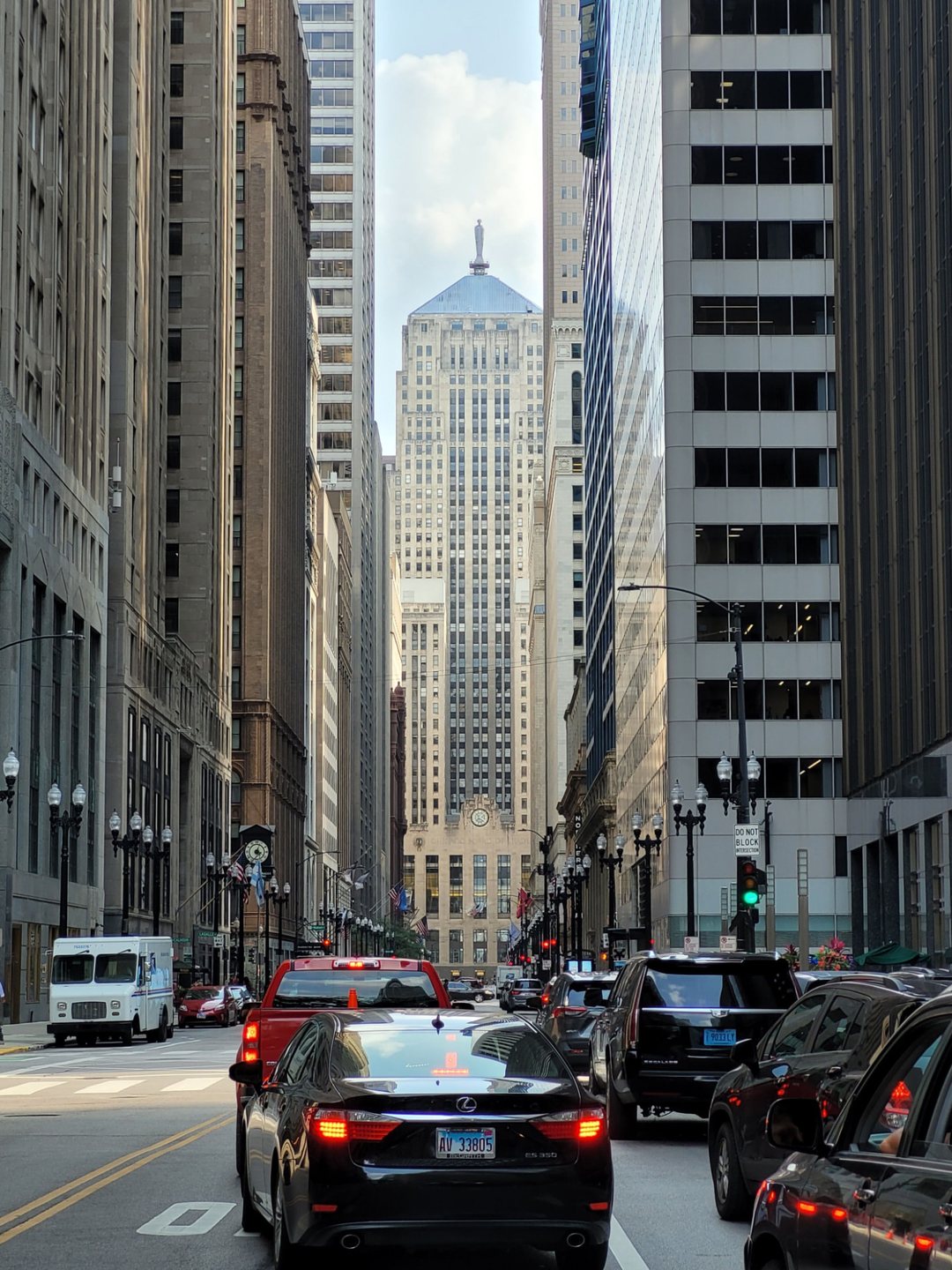
If you drive in Chicago, you already know the deal. Tight streets, street parking, the Kennedy at rush hour, potholes that appear overnight. Your auto policy should reflect that, not read like a generic brochure.
More than 800 customer reviews across Google, Yelp and the agency website. Read customer reviews
We have been helping Chicago drivers since 2005 from our office at 521 W North Ave. We will walk through what each part of your policy covers, what it does not, and what it would cost you if something happens. Then you decide. No pressure, no jargon.
What auto insurance may cover
An auto policy is really a few separate coverages bundled together. Here is what each one does in plain English.
Liability: bodily injury and property damage
This pays when you are at fault in an accident, and someone else gets hurt, or their property is damaged. It pays up to the limit you choose. This is the coverage Illinois requires, and it is also the one where the limit matters most, because a serious accident can get expensive fast.
Collision
This pays to repair or replace your own car after a crash, minus your deductible. It is optional unless you have a loan or lease, in which case your lender will almost certainly require it.
Comprehensive
This covers the non-crash stuff: theft, hail, fire, a tree branch through the windshield, vandalism, also minus your deductible. In a city where cars sit on the street all night, this one earns its keep.
Uninsured and underinsured motorist
This steps in when the driver who hits you has no insurance, or not enough. Illinois requires a minimum amount of this coverage. We usually recommend going higher because the driver who hits you isn't guaranteed to carry much.
Medical payments, rental, and roadside
Depending on the policy, you can add medical payments for injuries, rental reimbursement while your car is in the shop, and roadside assistance for the tow truck at 2 a.m. on Lake Shore Drive.
Who this is for
Pretty much anyone driving in the city, but especially drivers with a car registered in Illinois, families adding a teen driver or a second or third car, commuters on the expressways, and anyone who parks on the street, anyone whose limits have not been looked at in a few years, and anyone thinking about an umbrella policy down the road, since that usually requires solid auto limits first.
Decisions worth slowing down on
Are state minimums enough?
Illinois sets a floor, not a recommendation. One serious accident with medical bills and a newer car can blow past minimum limits, and anything above your limit comes out of your pocket. We will run the numbers with you so you can see the gap for yourself.
What deductible can you actually pay?
A higher deductible lowers your premium, but it means you cover more of a small loss yourself. Pick a number you could pay on short notice without it wrecking your month.
Who drives the car?
List everyone in the household who drives regularly. Leaving someone off can cause real problems when a claim comes in.
What to have ready for a quote
Driver's license numbers, VINs, your current declarations page, and where the car is kept at night. The declarations page matters most, because it lets us compare your current coverage line by line instead of guessing.
Driving in Chicago is its own thing.
City driving concentrates exactly the losses collision and comprehensive are built for: tight residential streets, alley garages, expressway congestion, and long stretches of street parking where your car can get hit by someone you never meet.
Winter adds freeze-thaw potholes, salt damage, and slow-speed slides on unplowed side streets. Spring and summer bring hail and wind. None of that changes what a policy says, but it changes which conversations are worth having before you pick limits and deductibles.
Why work with us
We have been on North Avenue since 2005, and Joe and the team have more than 20 years of experience with Chicago drivers. We explain options in plain English, we review what you already have, and we leave the decision with you. That approach helps us maintain a 4.8-star Google rating across more than 800 reviews.
The Joe Schneider Agency is licensed in Illinois, Indiana, and Wisconsin.
Coverage availability varies by product, location, eligibility and underwriting requirements. Some products may be offered or issued by third-party insurance providers.
State requirements referenced above: Illinois Secretary of State — Mandatory Insurance
Questions people ask us.
How much auto insurance do I need in Illinois?
+
Illinois requires at least $25,000 per person and $50,000 per accident for bodily injury liability, plus $20,000 for property damage, and at least $25,000/$50,000 in uninsured motorist bodily injury coverage. Minimums may not be enough for a serious loss so we will walk through higher limits with you.
What is uninsured motorist coverage?
+
It applies when the at-fault driver has no insurance or not enough. Illinois requires a minimum amount, and higher limits are generally available.
Do I have to carry collision and comprehensive?
+
Not under state law, but a lender or lessor may require them. Whether they make sense depends on what your car is worth and what you could afford to replace out of pocket.
Does my policy cover a teen driver in the household?
+
Household drivers usually need to be listed on the policy. Tell us when a new driver joins the household so the policy reflects who is actually driving.
What information helps when requesting a quote?
+
Driver's license numbers for each driver, the VIN for each vehicle, your address, and your current declarations page. Sending the declarations page lets us compare like-for-like.
Call us at (312) 787-0221 or request a quote online. We are open Monday through Thursday, 9:00 a.m. to 6:30 p.m. and Friday, 9:00 a.m. to 5:00 p.m. Central.
Related guides
Questions specific to your part of the city? See our Chicago neighborhood guides.